Process Heat & Furnaces
More heat, less oil per tonne
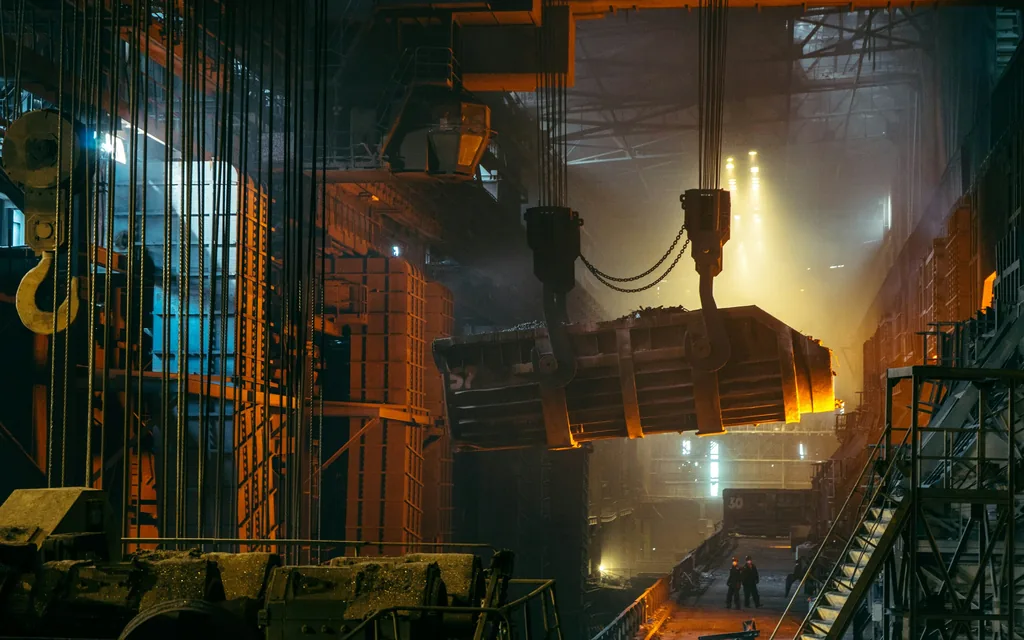
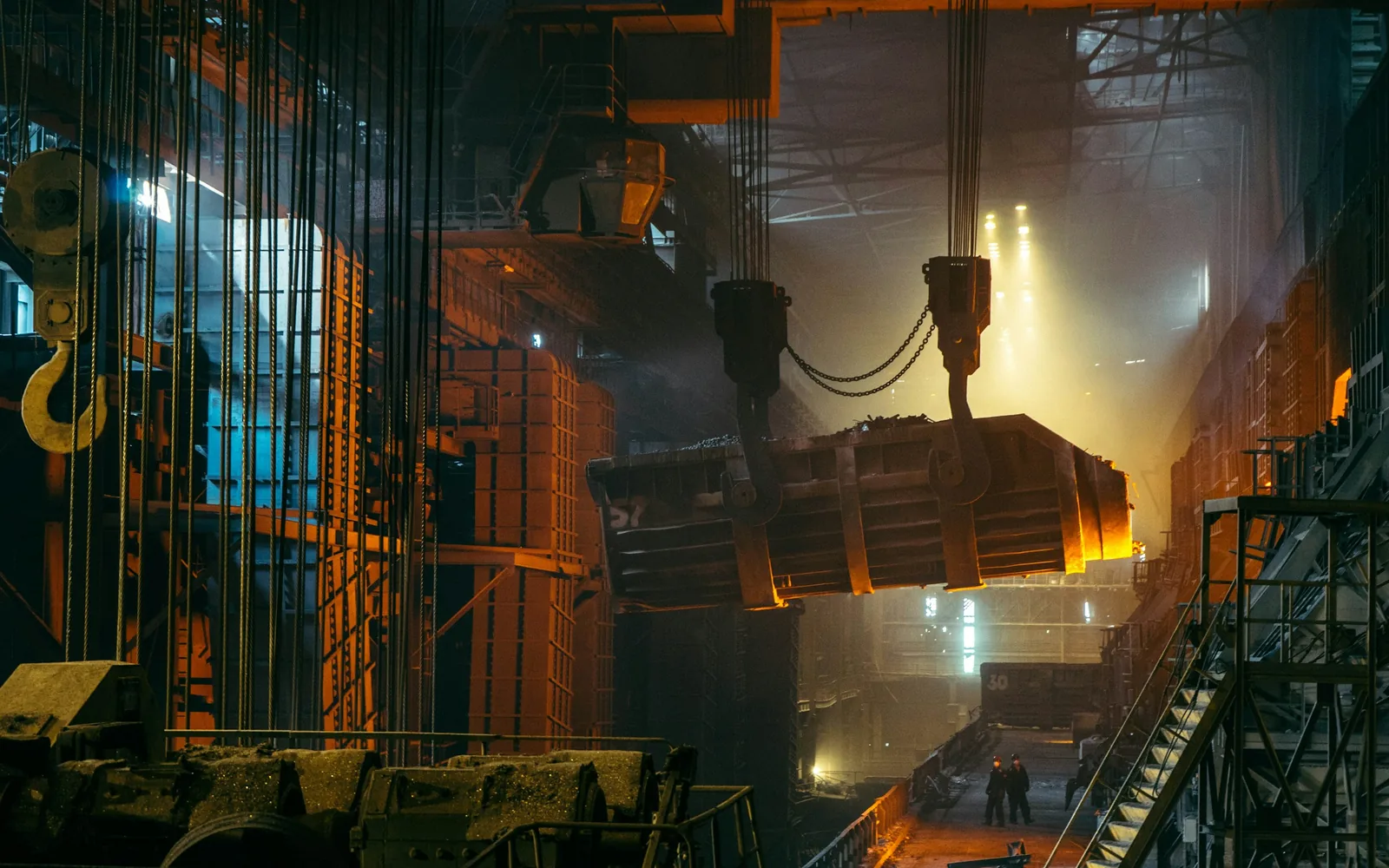
Furnaces and boilers run around the clock. Small efficiency gains add up to large annual savings, and we measure them in your own production data.
The challenge
Where the fuel goes, and the margin with it
Fuel is the biggest cost most process heat & furnaces operations can still control. Here is what we hear from teams like yours.
Furnaces never stop
Round-the-clock firing means every litre per hour saved multiplies across the year.
Deposits rob burners of efficiency
Soot and carbon build-up worsen atomisation and push consumption up between cleanings.
Fuel per tonne decides the margin
In metals, glass and ceramics, fuel is one of the largest costs per tonne of product.
Stack emissions are visible
Smoke from the stack draws attention from regulators and neighbours alike.
Recommended
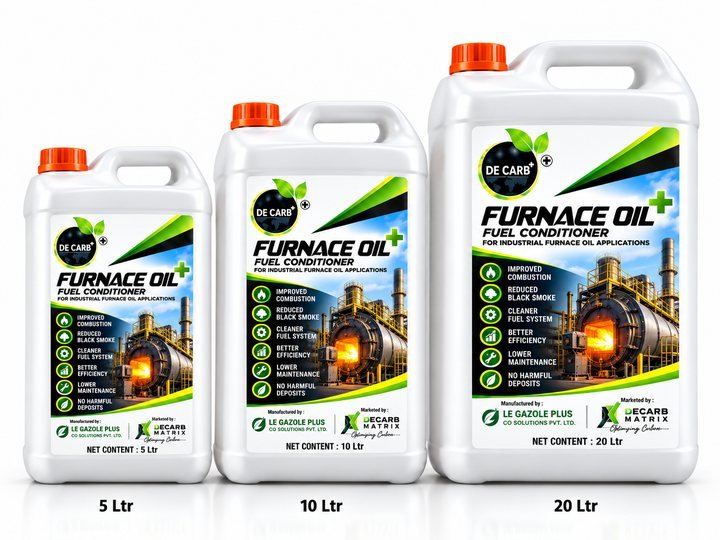
The DeCarb formulation for process heat & furnaces
How we measure
Measured on your machines. Not in a brochure.
Your production team logs oil flow per hour and output per shift before and during the trial. The plant signs off the comparison.
Units we reportL/hour · fuel per tonne of product
Baseline
We read your own fuel and output records and set the starting point with your team.
Controlled trial
The same equipment runs on DeCarb under normal duty, logged the same way.
Signed result
You get a before-and-after report in L/hour, ready for management and ESG reporting.
Proof in this sector
Results from process heat & furnaces
Equipment covered
Works with the equipment you run today
No new engines, no new burners, no capital project. DeCarb goes into the fuel you already buy.
- Reheating and forging furnaces
- Melting and holding furnaces
- Steam boilers
- Thermic fluid heaters
- Kilns and dryers
- Heat-treatment furnaces
What result has been recorded on a furnace?
At a copper products plant, furnace oil consumption fell from 44.48 to 40.26 litres per hour, a 9.5% reduction, within one week of operation.
Does it work with boilers as well as furnaces?
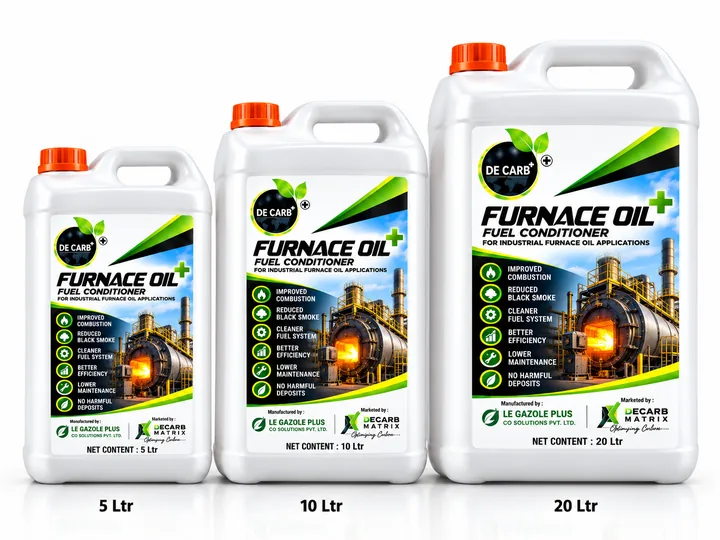
Yes. Furnace Oil Plus is used in oil-fired furnaces, boilers, thermic fluid heaters and kilns.
How long does a furnace trial take?
Usually a few weeks, long enough to cover normal production cycles. The copper plant saw a measurable result within one week.
Process Heat & Furnaces
Request a site assessment. See the saving in L/hour.
Tell us what you run and how much you burn. An engineer will reply within one business day with a plan for your free assessment and trial.