Any fuel-saving product can quote a number. A fair trial gives you your own number, measured on your own equipment, in a form your finance team will accept. Here is how we set one up, and how you can check any supplier’s trial, including ours.
Start with a baseline you already trust
Use the records you already keep: fuel issue logs, odometer or hour-meter readings, weighbridge or dispatch tonnes, energy meters. A baseline drawn from your own system is harder to argue with than any new instrument. Cover enough normal operation to include your usual mix of loads, routes and shifts.
Measure fuel per unit of work
Total litres rise and fall with output, so compare fuel per unit of useful work:
- km/L for buses, trucks and cars
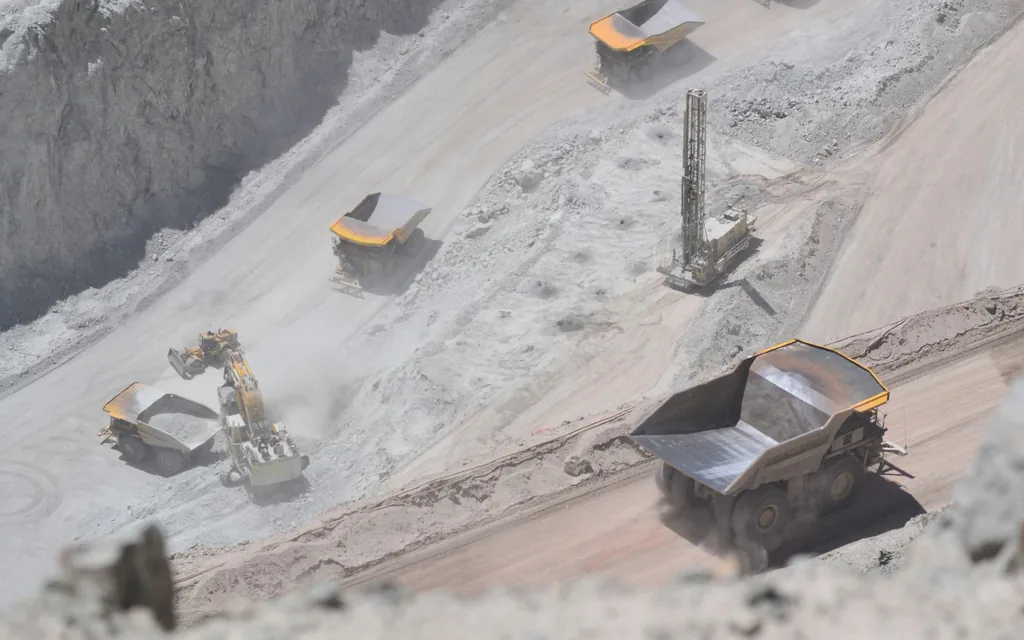
- L/tonne or L/hour for dumpers and excavators
- L/kWh for generator sets
- L/hour or fuel per batch for furnaces and boilers
- Fuel per day or per voyage for vessels
Change one thing only
Same vehicles or machines, same routes or haul roads, same maintenance schedule. Write down anything that does change during the trial, such as a new route, a heavier load or a major service, so it can be accounted for.
If a trial changes three things at once, nobody can say which one saved the fuel.
Use a comparison
Where you can, compare against a matched group running without the product over the same period. The state transport trial did exactly that: five buses on DeCarb Diesel Plus averaged 5.80 km/L against a depot average of 5.40 km/L for the same months, over 42,412 km.
Run it long enough
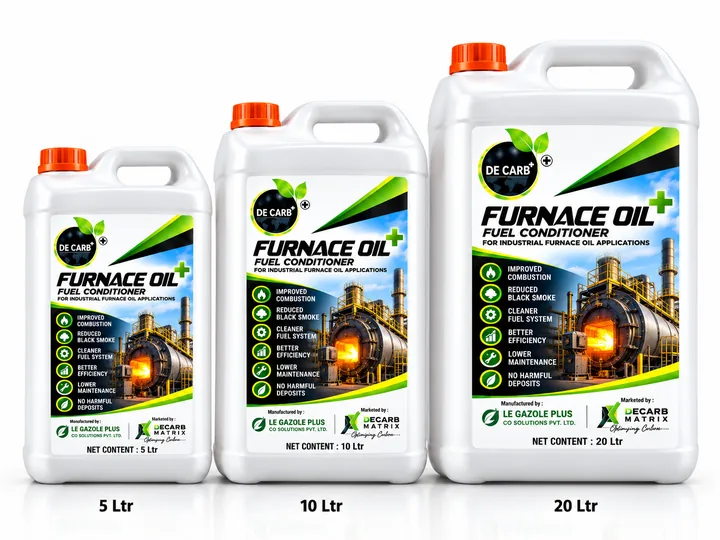
Cover your normal duty cycle: shifts, routes, production runs. A furnace on a steady load can show a clear result quickly. At a copper products plant, fuel use fell from 44.48 to 40.26 litres per hour in a one-week comparison. A mixed road fleet needs longer to smooth out route and traffic differences.
Agree the result before you start
Before day one, write down which assets, which unit, which period, how data will be collected and what counts as success. Both sides sign the method, then both sides sign the result. That is how every DeCarb trial works: a signed before-and-after comparison in your units.
Your trial checklist
- Baseline from your own records, in your units
- Fuel per unit of work, not total litres
- Same assets, routes and maintenance
- A comparison group or depot average where possible
- A period that covers your normal duty cycle
- Method and success criteria signed before you start
Want help setting one up? Book a free fuel assessment and an engineer will design the trial with your team.