



If your company owns or controls trucks, dumpers, generators or boilers, the fuel they burn is part of your Scope 1 emissions. The calculation is simple. Getting the inputs right is where most reports go wrong.
What Scope 1 covers
Under the Greenhouse Gas Protocol, Scope 1 covers direct emissions from sources your company owns or controls: fuel burned in your own vehicles, mobile machinery, generator sets, boilers and furnaces. Purchased electricity is Scope 2. Fuel burned in a contractor’s own vehicles usually sits in the contractor’s Scope 1 and in your Scope 3.
The formula
CO₂ = fuel used × emission factor.
- Fuel used comes from your fuel records, in litres or kilograms, for each fuel separately.
- The emission factor is the kilograms of CO₂ per litre (or per kilogram) for that fuel, taken from the methodology your reporting framework specifies, such as IPCC default factors or your national inventory.
Many frameworks also ask for methane and nitrous oxide, reported together as CO₂-equivalent (CO₂e). Use one factor source consistently and state it in your report.
Get the litres right
- Use dispensed or issued fuel, reconciled against purchases.
- Adjust for stock changes in bulk tanks at the start and end of the period.
- Keep diesel, petrol and furnace oil separate: each has its own factor.
- Keep the records auditable: who logged what, and when.
The cheapest tonne of CO₂ to cut is the one that comes from fuel you never had to buy.
Turn fuel savings into tonnes
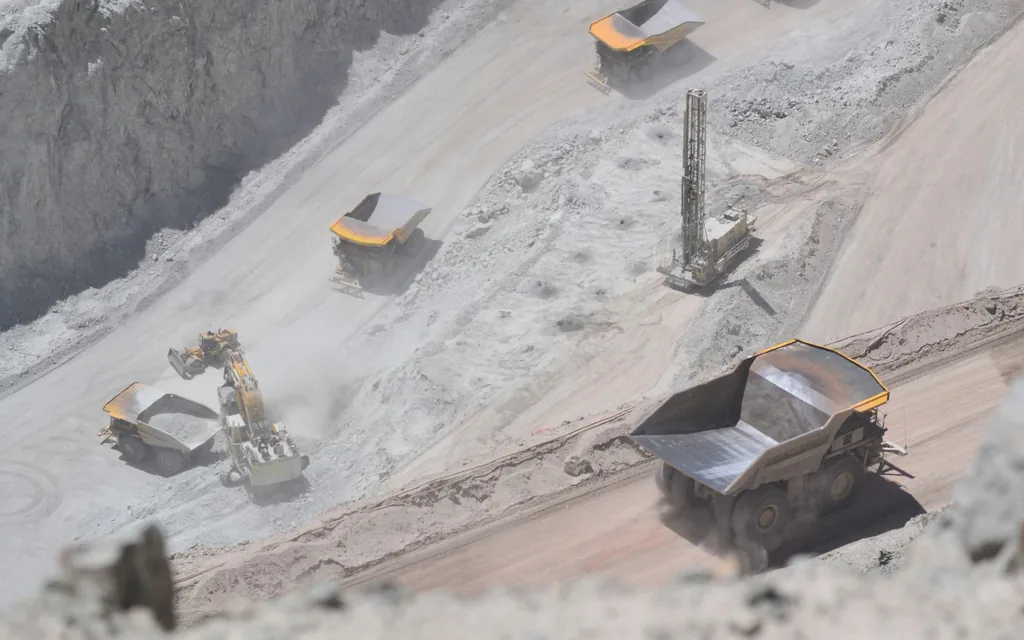
Every litre you don’t burn is Scope 1 CO₂ that is never emitted, so fuel efficiency shows up directly in your report: litres saved × the same emission factor = CO₂ avoided. At a government mining company, a one-year study recorded 669 tonnes of CO₂ cut alongside 40% lower dumper exhaust emissions, published in the company’s own annual report.
Avoided emissions are not carbon credits. They reduce your reported emissions. They do not create a tradable credit.
Report it so auditors accept it
- Use the same units and factor source every year.
- State your boundary: which sites, fleets and fuels are included.
- Keep a fixed baseline year to compare against.
- Show intensity next to totals: CO₂ per tonne moved, per kilometre or per kWh.
Where to start
Pull last year’s fuel records by fuel type and site. That one table is the foundation of your Scope 1 figure. Then book a free assessment, and we will show you how much of it you can cut, and prove it in a trial.